Proteolytic
Peptidase
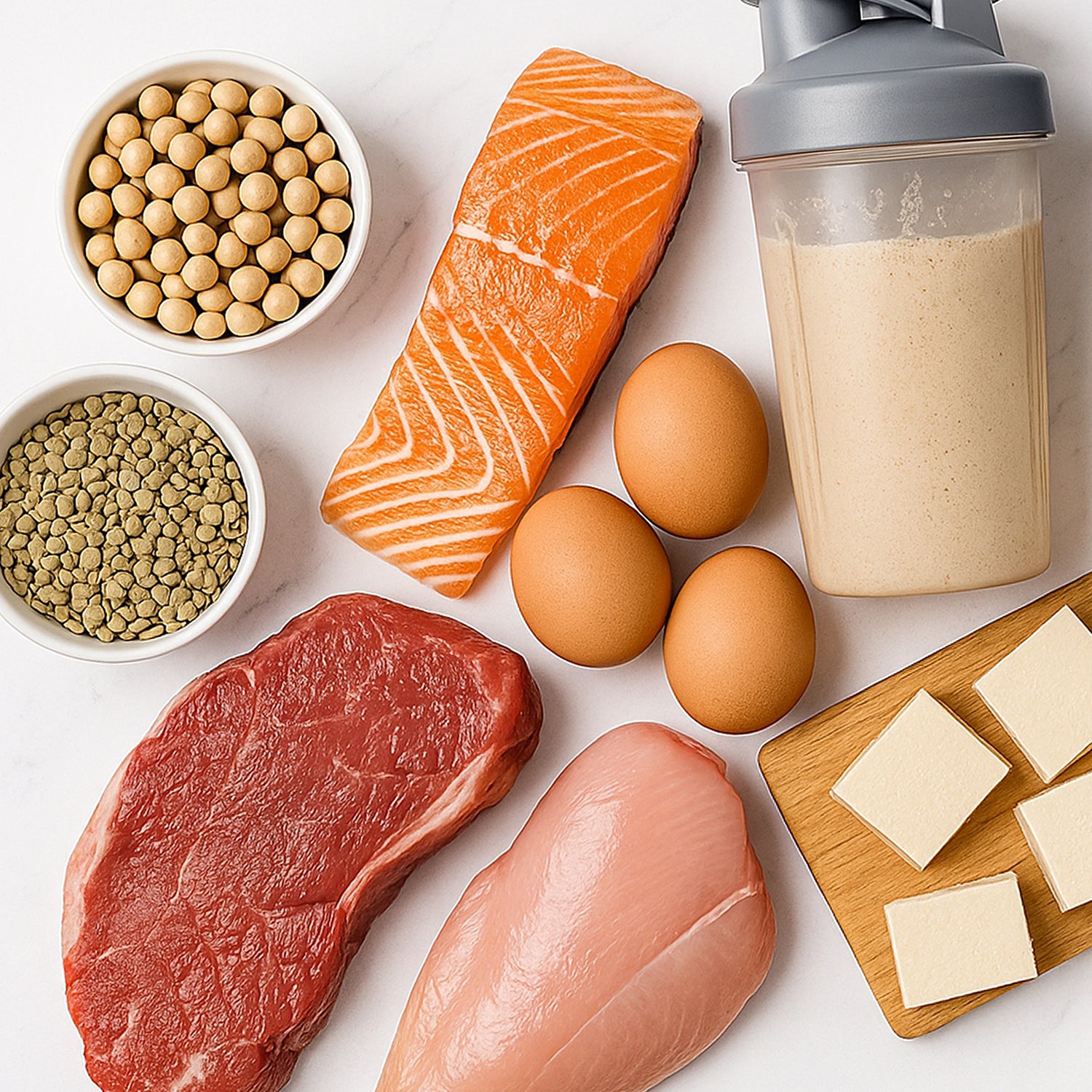
An exopeptidase, catalyzes the stepwise removal of single amino acids from the ends of peptide chains. This final stage of protein digestion ensures that amino acids are fully liberated from dietary proteins and peptides, making them available for absorption into the bloodstream.*
All quotes are processed and returned within 1–4 business days.
-
Current lead time is 1-8 weeks from date of order confirmation.
For other forms of enzymes contact us for more information.
ENZYME CLASSIFICATION
EC NUMBER | CAS NUMBER:
3.4.11.1 | 9001-61-0
ENZYME CLASS:
Hydrolase → Peptidase
ENZYME TYPE:
Exopeptidase
ENZYME SOURCE:
Aspergillus oryzae
Enzyme Applications:
Dietary Supplements and Animal Nutrition
TECHNICAL SPECIFICATIONS
ACTIVITY MEASUREMENT:
HUT (Hemoglobin Unit Tyrosine)
PRIMARY SUBSTRATE:
Peptides and oligopeptides
BOND CLEAVED:
Terminal peptide bonds at the N- or C-terminus
PRIMARY PRODUCTS:
Free amino acids
INACTIVATION:
80°C for 30 minutes
FORM:
Powder
SOLUBILITY:
Water-soluble
STORAGE:
Store in a cool, dry environment
SHELF-LIFE:
18 months from MFG date if properly stored.
SAFETY & HANDLING:
Always refer to the included Safety Data Sheet.