Proteolytic
Neutral Protease
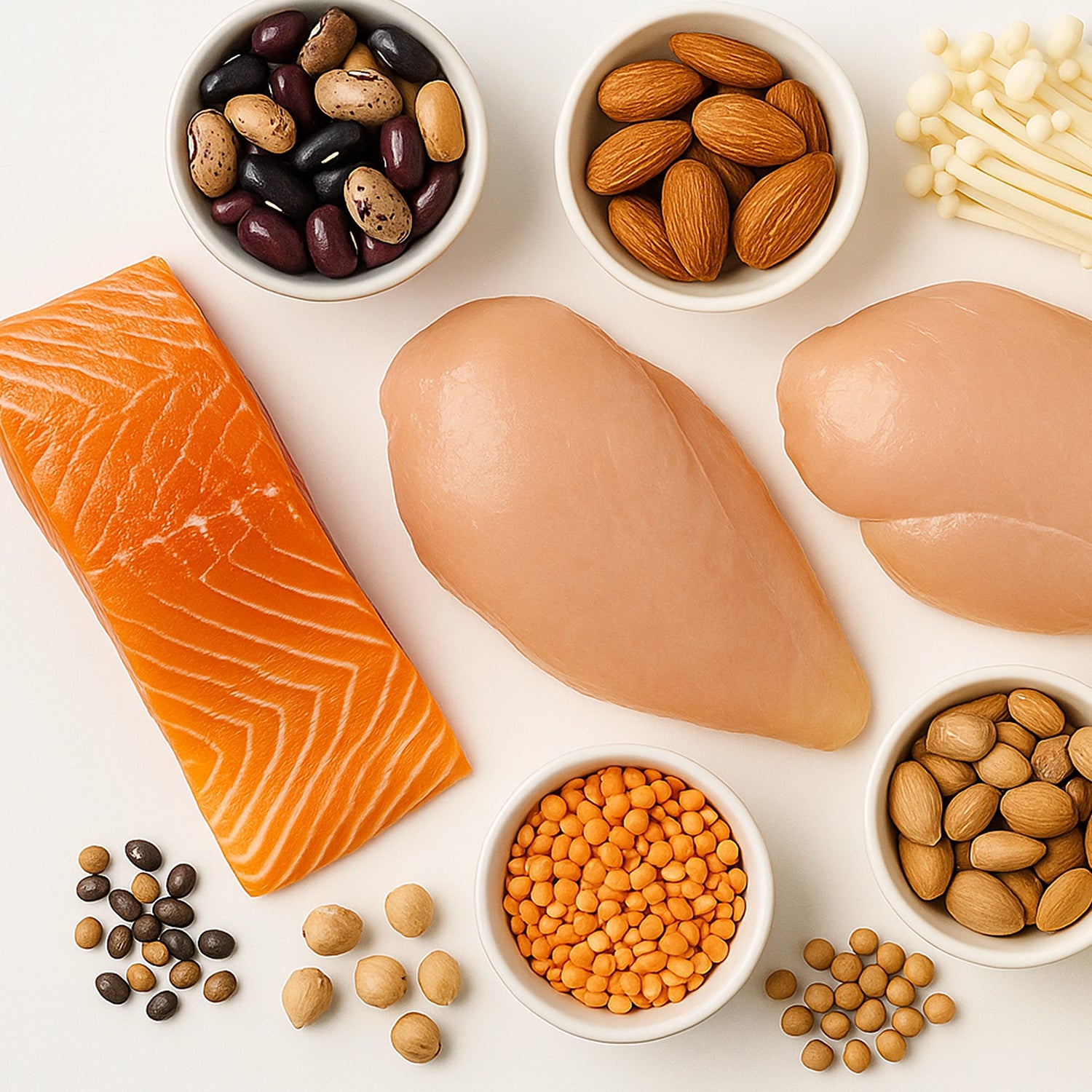
An endopeptidase that cleaves internal peptide bonds in partially digested proteins. Acting after gastric proteases have initiated protein breakdown, it further reduces polypeptide chains into smaller fragments, complementing overall protein digestion and supporting complete amino acid release.*
All quotes are processed and returned within 1–4 business days.
-
Current lead time is 1-8 weeks from date of order confirmation.
For other forms of enzymes contact us for more information.
ENZYME CLASSIFICATION
EC NUMBER | CAS NUMBER:
3.4.24.28 | 76774-43-1
ENZYME CLASS:
Hydrolase → Peptidase
ENZYME TYPE:
Metalloprotease
ENZYME SOURCE:
Bacillus amyloliquefaciens
Enzyme Applications:
Dietary Supplements, Animal Nutrition, Food & Beverage, Brewing & Distilling, Industrial Processing, and Cleaning
TECHNICAL SPECIFICATIONS
ACTIVITY MEASUREMENT:
PC (Protease Units on Casein)
PRIMARY SUBSTRATE:
Partially digested dietary proteins
BOND CLEAVED:
Internal peptide bonds
PRIMARY PRODUCTS:
Peptides, oligopeptides
INACTIVATION:
pH ≤ 4 for 30 minutes
FORM:
Powder
SOLUBILITY:
Water-soluble
STORAGE:
Store in a cool, dry environment
SHELF-LIFE:
18 months from MFG date if properly stored.
SAFETY & HANDLING:
Always refer to the included Safety Data Sheet.