Skip to product information

Fibrolytic

Cellulase AN

An endo-β-1,4-glucanase that hydrolyzes internal β-1,4-glycosidic linkages in cellulose, a structural carbohydrate in plant cell walls. This reaction produces cellooligosaccharides and glucose, increasing access to nutrients that are otherwise locked within fibrous plant material. Cellulase assists in breaking down dietary fiber to improve nutrient bioaccessibility.*

All quotes are processed and returned within 1–2 business days.

  • Current lead time is 1-8 weeks from date of order confirmation.

For other forms of enzymes contact us for more information.

ENZYME CLASSIFICATION

EC NUMBER | CAS NUMBER:
3.2.1.4 | 9012-54-8
ENZYME CLASS:
Hydrolase → Glycosidase
ENZYME TYPE:
Endo-β-1,4-glucanase
ENZYME SOURCE:
Aspergillus niger
Enzyme Applications:
Dietary Supplements, Animal Nutrition, Food & Beverage, Brewing & Distilling, Industrial Processing, and Cleaning

TECHNICAL SPECIFICATIONS

ACTIVITY MEASUREMENT:
CU (Cellulase Units)
PRIMARY SUBSTRATE:
Cellulose
BOND CLEAVED:
β-1,4-glycosidic bonds
PRIMARY PRODUCTS:
Cellobiose, glucose
INACTIVATION:
80°C at pH 8 for 15 minutes
FORM:
Powder
SOLUBILITY:
Water-soluble
STORAGE:
Store in a cool, dry environment
SHELF-LIFE:
18 months from MFG date if properly stored.
SAFETY & HANDLING:
Always refer to the included Safety Data Sheet.
Cellulase AN
Cellulase AN

BIOCHEMICAL ROLE IN DIGESTION

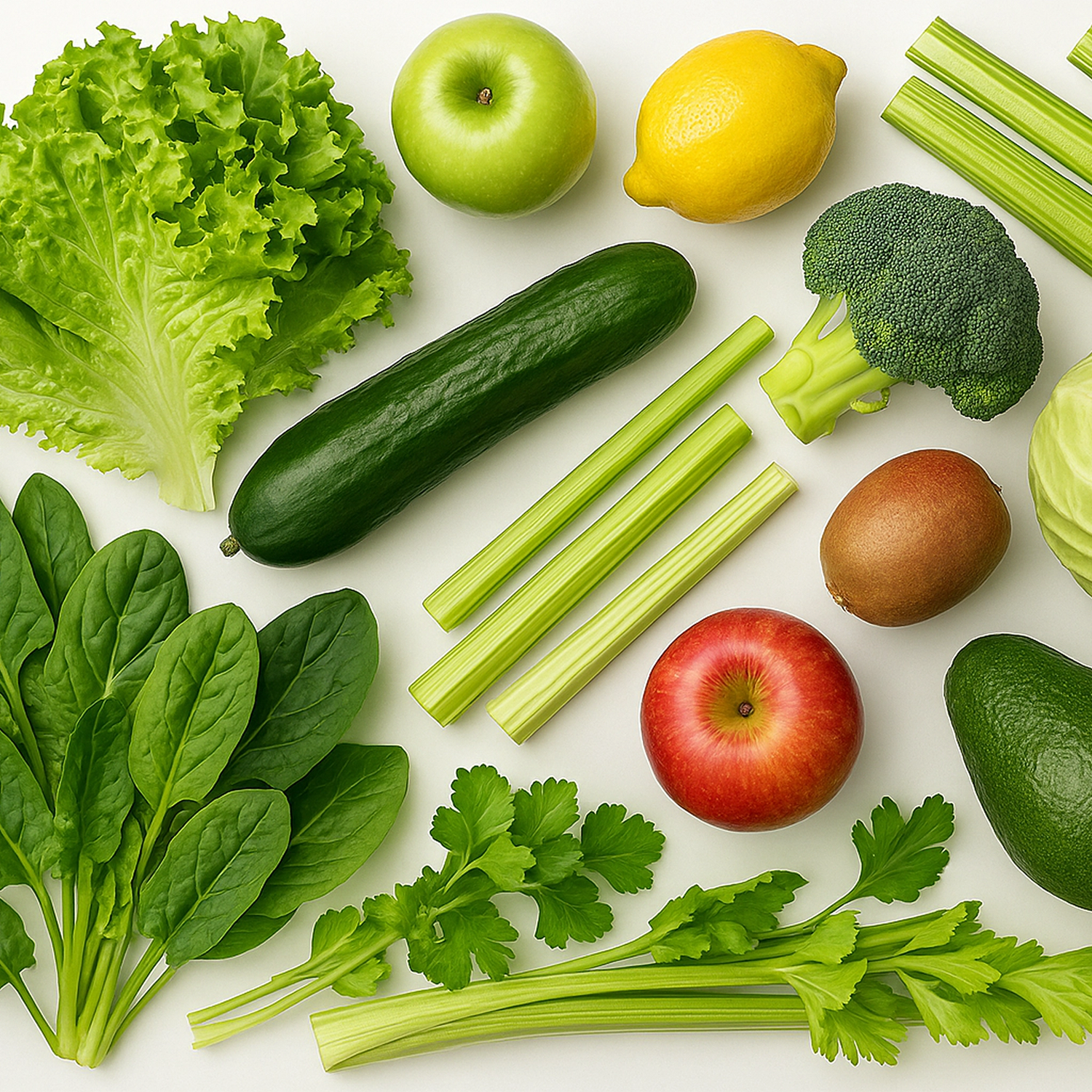
Cellulase AN hydrolyzes β-1,4-glycosidic bonds in cellulose, one of the most abundant polysaccharides in the human diet yet indigestible without enzymatic intervention. By breaking down rigid plant fibers into shorter glucose-containing fragments, it increases nutrient availability from fruits, vegetables, and whole grains. This catalytic activity also reduces the structural resistance of plant cell walls, making other macronutrients more accessible for secondary enzymatic and microbial action in the digestive tract.*

NUTRITIONAL RELEVANCE IN SUPPLEMENTATION

Supplemental cellulase enhances digestive efficiency for individuals consuming fiber-rich diets or those with difficulty processing fibrous foods. By supporting the breakdown of cellulose, it can help reduce intestinal bulk, minimize bloating, and promote smoother gastrointestinal transit. In supplementation, cellulase not only improves tolerance to high-fiber diets but also supports micronutrient liberation from otherwise resistant plant matrices, ensuring greater bioavailability of phytonutrients and contributing to overall digestive comfort and efficiency.*