Fibrolytic
beta-Glucanase
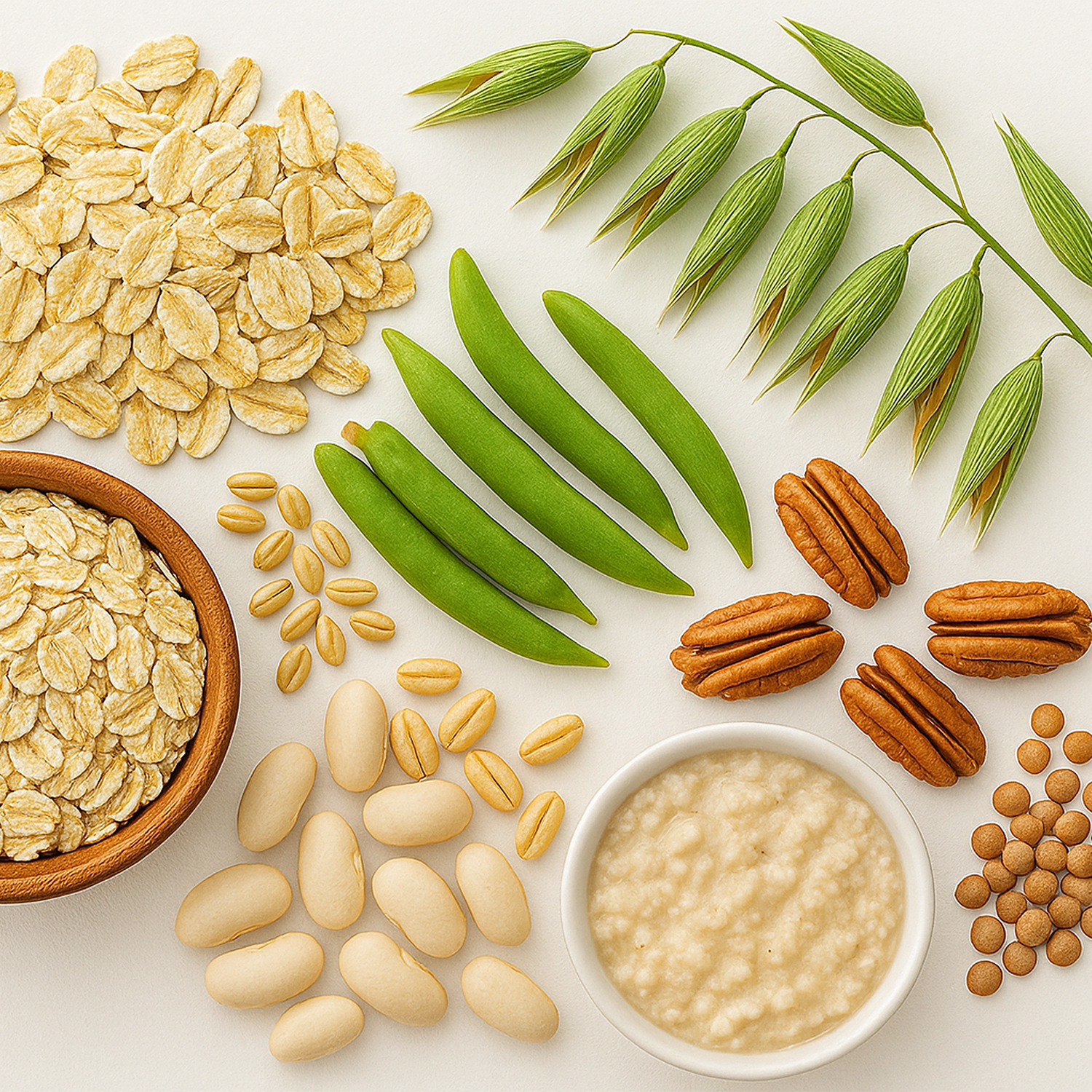
Catalyzes the hydrolysis of β-1,3 and β-1,4 glycosidic bonds in β-glucans, producing oligosaccharides and glucose. These polysaccharides are found in cereal grains, fungi, and yeast cell walls, and their breakdown reduces intestinal viscosity while enhancing nutrient release.*
All quotes are processed and returned within 1–4 business days.
-
Current lead time is 1-8 weeks from date of order confirmation.
For other forms of enzymes contact us for more information.
ENZYME CLASSIFICATION
EC NUMBER | CAS NUMBER:
3.2.1.4 | 9012-54-8
ENZYME CLASS:
Hydrolase → Glycosidase
ENZYME TYPE:
Exo/Endo-β-1,4-glucanase
ENZYME SOURCE:
Trichoderma reesei
Enzyme Applications:
Dietary Supplements, Animal Nutrition, Food & Beverage, and Brewing & Distilling
TECHNICAL SPECIFICATIONS
ACTIVITY MEASUREMENT:
BGU (Beta-Glucanase Units)
PRIMARY SUBSTRATE:
Beta-glucans from cereals, yeast cell walls, fungi
BOND CLEAVED:
Beta-1,3 or beta-1,4-glycosidic linkages
PRIMARY PRODUCTS:
Oligosaccharides, glucose
INACTIVATION:
>90°C for 30-60 minutes
FORM:
Powder
SOLUBILITY:
Water-soluble
STORAGE:
Store in a cool, dry environment
SHELF-LIFE:
18 months from MFG date if properly stored.
SAFETY & HANDLING:
Always refer to the included Safety Data Sheet.