Skip to product information

Carbohydrolytic

Amylase

An α-amylase enzyme that catalyzes the hydrolysis of internal α-1,4-glycosidic bonds in starch molecules, including amylose and amylopectin. This process breaks down large, complex carbohydrates into smaller fragments such as dextrins, maltose, and maltotriose, which can then be further converted into glucose. Amylase supports the efficient digestion of starch-rich foods, enhancing the availability of carbohydrates in a form that the body can readily absorb and utilize for energy.*

All quotes are processed and returned within 1–2 business days.

  • Current lead time is 1-8 weeks from date of order confirmation.

For other forms of enzymes contact us for more information.

ENZYME CLASSIFICATION

EC NUMBER | CAS NUMBER:
3.2.1.1 | 9000-90-2
ENZYME CLASS:
Hydrolase → Glycosidase
ENZYME TYPE:
α-Amylase
ENZYME SOURCE:
Aspergillus oryzae
Enzyme Applications:
Dietary Supplements, Animal Nutrition, Food & Beverage, Brewing & Distilling, Industrial Processing, and Cleaning

TECHNICAL SPECIFICATIONS

ACTIVITY MEASUREMENT:
DU (Dextrinizing Units)
PRIMARY SUBSTRATE:
Starch (amylose and amylopectin)
BOND CLEAVED:
Internal α-1,4-glycosidic bonds
PRIMARY PRODUCTS:
Dextrins, maltose, maltotriose
INACTIVATION:
80°C for 30 minutes | pH ≥ 7 for 30 minutes
FORM:
Powder
SOLUBILITY:
Water-soluble
STORAGE:
Store in a cool, dry environment
SHELF-LIFE:
18 months from MFG date if properly stored.
SAFETY & HANDLING:
Always refer to the included Safety Data Sheet.
Amylase
Amylase

BIOCHEMICAL ROLE IN DIGESTION

Amylase initiates the breakdown of starch molecules into smaller carbohydrate units early in the digestive process. By cleaving internal α-1,4 bonds, it rapidly reduces the molecular size of starch, increasing surface area for subsequent enzymatic action by glucoamylase and maltase. This staged digestion is critical for complete carbohydrate utilization, as large polysaccharides cannot be directly absorbed through the intestinal wall. Efficient amylase activity ensures that complex dietary starch is fully prepared for conversion into glucose, supporting stable post-meal energy supply and minimizing undigested carbohydrate residues in the lower gut.*

NUTRITIONAL RELEVANCE IN SUPPLEMENTATION

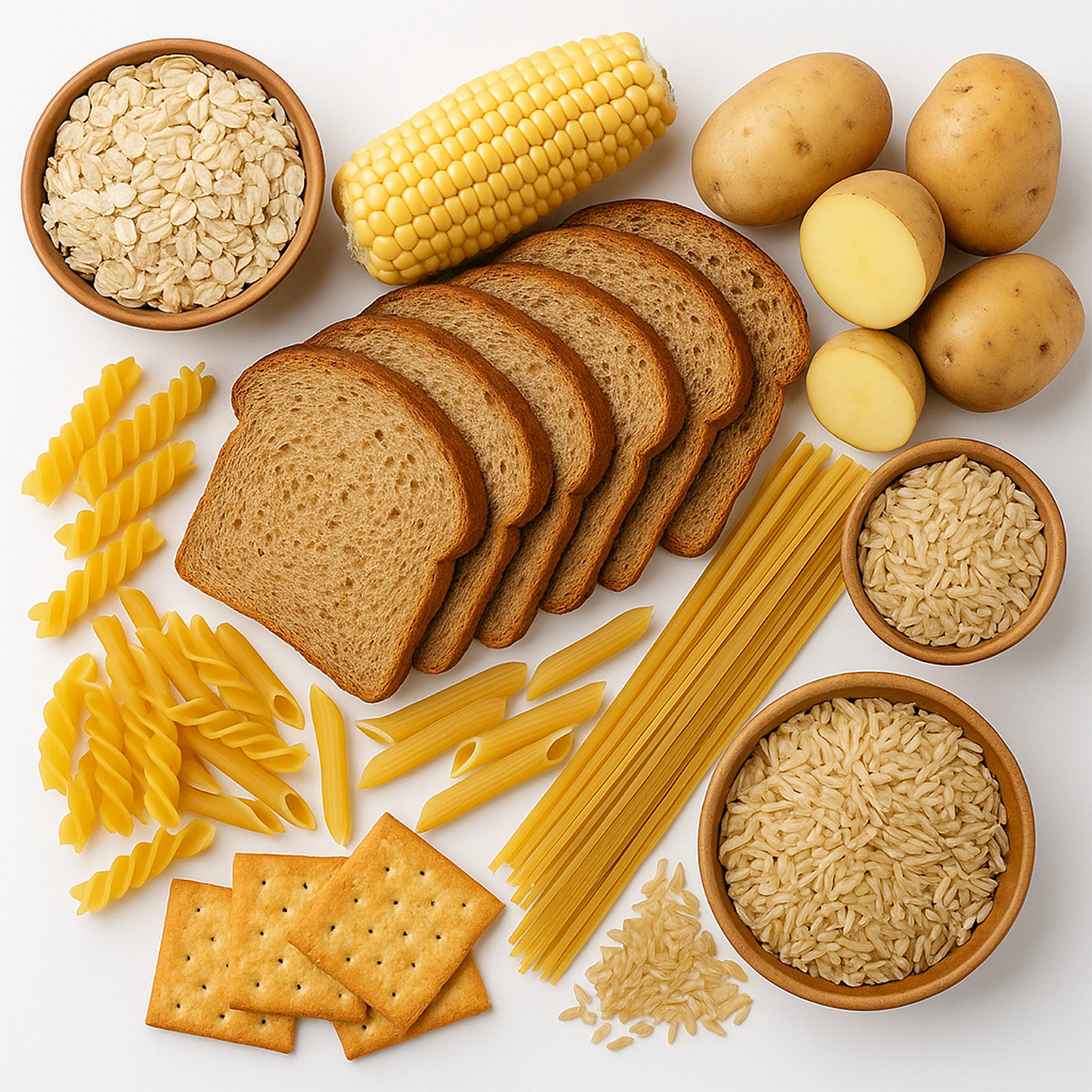
Supplemental amylase can enhance the body’s natural carbohydrate-processing capacity, particularly in diets high in grains, legumes, and starchy vegetables. In individuals with reduced amylase secretion—whether due to age, pancreatic insufficiency, or digestive compromise—adding amylase may help ensure more thorough starch conversion, improve carbohydrate availability for metabolic use, and limit the delivery of unhydrolyzed starch to the colon, which can otherwise contribute to fermentation-related gas and discomfort.*