Proteolytic
ProteaseGL™
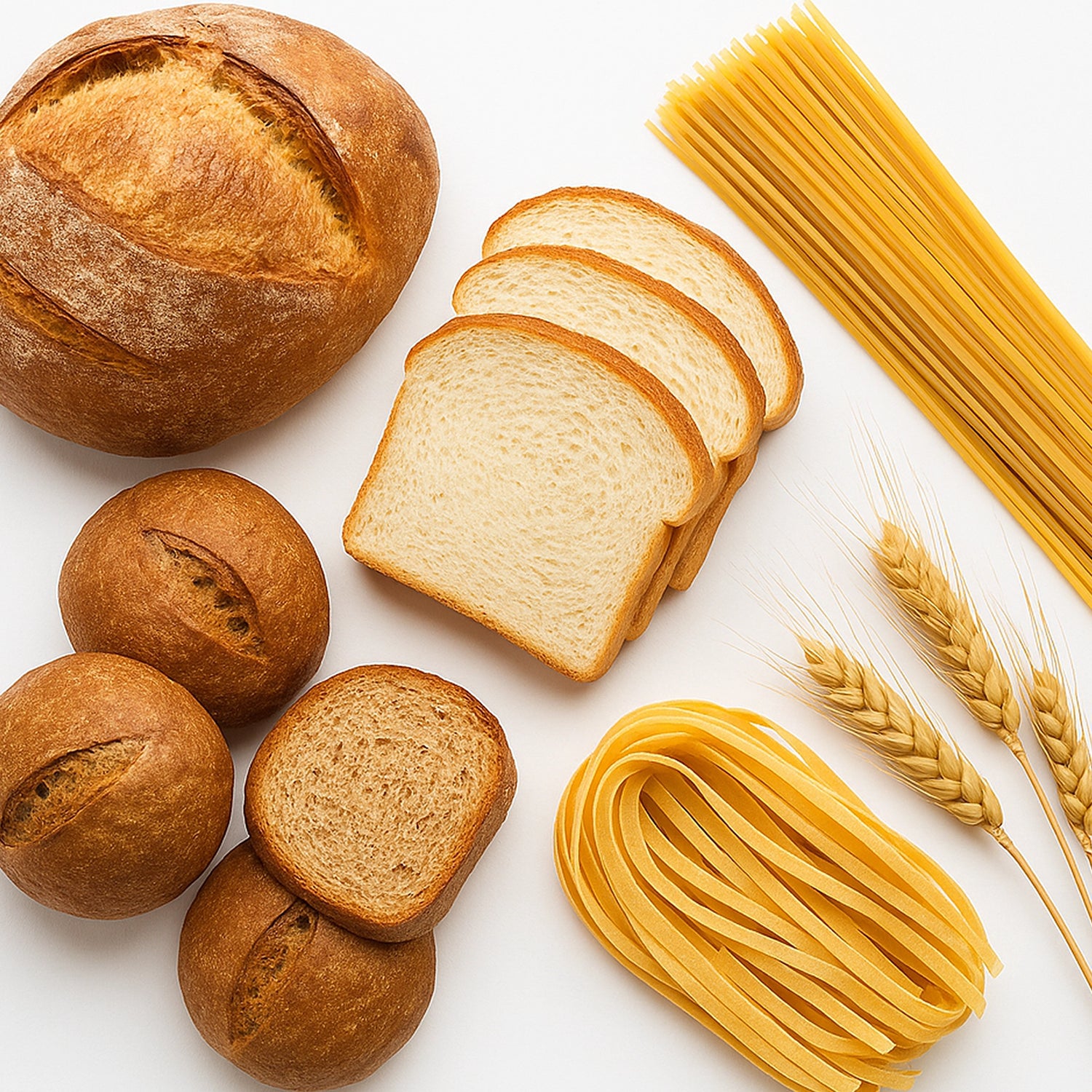
A specialized proteolytic complex designed to hydrolyze proline-rich gluten peptides, which are resistant to breakdown by human digestive enzymes. By cleaving these peptides into smaller fragments, it reduces the persistence of large gluten molecules in the gastrointestinal tract, aiding in their elimination.*
All quotes are processed and returned within 1–4 business days.
-
Current lead time is 1-8 weeks from date of order confirmation.
For other forms of enzymes contact us for more information.
ENZYME CLASSIFICATION
EC NUMBER | CAS NUMBER:
3.4.23.18/3.4.11.1 | 9025-49-4/9001-61-0
ENZYME CLASS:
Hydrolase → Peptidase
ENZYME TYPE:
Gluten-specific protease
ENZYME SOURCE:
Aspergillus | Bacillus
Enzyme Applications:
Dietary Supplements
TECHNICAL SPECIFICATIONS
ACTIVITY MEASUREMENT:
DPP-IV (Dipeptidyl Peptidase IV)
PRIMARY SUBSTRATE:
Gluten peptides (gliadins, glutenins)
BOND CLEAVED:
Internal peptide bonds adjacent to proline residues
PRIMARY PRODUCTS:
Smaller peptides, amino acids
INACTIVATION:
80°C for 30 minutes
FORM:
Powder
SOLUBILITY:
Water-soluble
STORAGE:
Store in a cool, dry environment
SHELF-LIFE:
18 months from MFG date if properly stored.
SAFETY & HANDLING:
Always refer to the included Safety Data Sheet.